
Read Full Magazine Here. On June 16, 2025, the General Assembly of the Palestinian Federation of Insurance Companies convened under Hamza Sharrouf to ratify the 2024 administrative and financial reports, discharge the outgoing board, and appoint Ernst & Young as the Federation’s external auditor for 2025–2026.
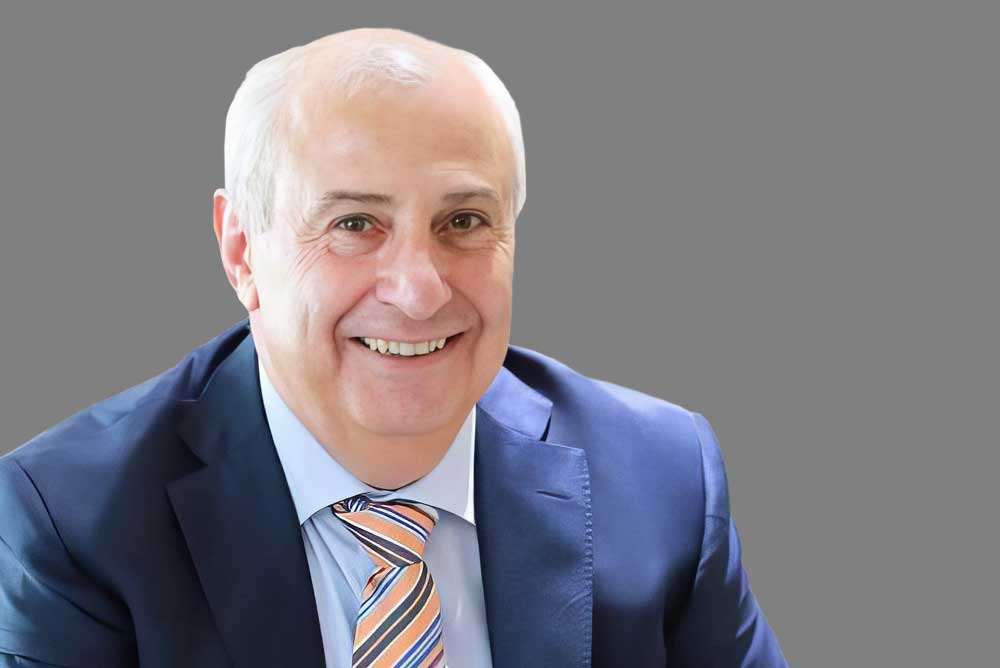
In a unanimous vote, industry leaders from Palestine Insurance, Mashreq Insurance, United International Insurance, Palestinian Takaful, Ahlia Group Insurance, Al Baraka Insurance, Palestine Mortgage Insurance, Holy Land Islamic Insurance, National Insurance, Tamkeen Insurance—and notably, Trust International Insurance Group-Palestine’s CEO Anwar Al-Shanti—were elected to the new board. By acclamation, Shanti—born in Qalqilya in 1960, University of Jordan BSc ’85 graduate, British Chartered Insurance Institute alumnus, and a pillar of the sector for over three decades—was chosen Chairman of the Palestinian Insurance Federation for the 2025–2026 session.
Expressing gratitude for the confidence placed in him, Shanti underscored the pivotal role of partnership and solidarity—in collaboration with the Capital Market Authority, the Palestinian government, and financial, community, academic, and media stakeholders—to address the systemic challenges facing both the national economy and the insurance industry. His appointment signals a renewed commitment to transparency, governance excellence, and market development across all member companies.
Anwar Shanti, Chief Executive Officer – Trust International Insurance Group – Palestine (Since 2010) and Board Member – Trust International Insurance Group.
Anwar Al-Shanti is a prominent figure in the insurance industry with over three decades of extensive experience. Born in Qalqilya in 1960, he earned a Bachelor of Science degree from the University of Jordan in 1985, in addition to completing specialized insurance courses at the Chartered Insurance Institute in the UK.
As CEO of Trust International Insurance – Palestine, Al-Shanti oversees the company’s strategic and operational activities, strengthening its position in the Palestinian market. He also leads the company’s subsidiaries, which include: Takaful Insurance Company, Trust Travel and Tourism Company, Trust Real Estate Company and Smart Health – Health Insurance Services.
Al-Shanti represents the Palestinian market in the General Arab Insurance Federation (GAIF) and is a Board Member of both the Palestinian Insurance Federation and the Palestinian Businessmen’s Association. He previously served as Chairman of the Palestinian Insurance Federation, where he played a significant role in advancing the industry regionally.
His career also includes leadership roles such as: Board Member, Palestinian Private Sector Coordination Council, Board Member, General Arab Insurance Federation Executive Committee Member and General Arab Insurance Federation.
He has also previously served as a Board Member of: MENA Geothermal, Takaful Insurance Company, Jericho Mineral Water Company, and Palestinian Road Accident Victims Compensation Fund.
In addition, Al-Shanti served as General Manager of the Palestinian Road Accident Victims Compensation Fund, Regional Director of Qatar General Insurance & Reinsurance Company in the UAE, and Assistant General Manager at Al-Ahliya Insurance Group.
Al-Shanti’s career reflects a deep commitment to the development of the insurance sector in Palestine and his effective contribution to enhancing its role both locally and regionally.
Saying the above, it is important to note that The Palestinian Federation of the Insurance Companies has been practicing its work since late nineties. It acquires its importance in the Palestinian Insurance Law No. (20) of 2005 in accordance with article 131 of the fifteenth chapter. It is a non-profit Palestinian institution with a legal independent legal personality seeking to achieve the public interest of the national economy. It is the sole representative of all the insurance companies operating in Palestine. It seeks to develop the insurance industry, raise the insurance awareness of the public, works to protects of interests of its members and achieve cooperation with all official Authorities concerned and everybody associated with the insurance sector at the local, Arab and international levels.
In this timely cover interview, BUSINESS LIFE reporter sat down with Anwar Al-Shanti—renowned CEO of Trust International Insurance Group–Palestine since 2010—to unpack his recent election as Chairman of the Palestinian Federation of Insurance Companies for 2025–2026.
BL: As incoming President, what are the top three strategic priorities you’ll pursue to elevate the Federation’s impact over the next year?
Anwar Al-Shanti: As the Chairman of the BOD of the Palestinian Federation of Insurance Companies for the current term, my three strategic priorities for the coming year to enhance the Federation’s role in the insurance sector will be as follows:
Liquidity:
This is the first and most important item that we will begin our work with, as it will solve most of the companies’ problems. Liquidity is considered one of the most serious and persistent issues for companies, and this problem has been worsened by the current conditions, salary suspensions, labor stoppages, unfair and exaggerated court rulings, and the increase in compensation amounts. This dilemma can only be addressed through a joint system between the Federation, the Capital Market Authority, and the banks, whereby payment is handled in cash through the bank. The installments are paid over 12 months, with the bank paying the installment in cash to the insurance company, and the insurance company bearing the bank interest on the installments. A discount is also granted to the policyholder.
Work will proceed seriously and quickly to accomplish this and to set the mechanisms in coordination with the banks, the Capital Market Authority, and electronic gateways.
Reframing the relationship with the Board of the Capital Market Authority:
By building an effective and long-term partnership with the Board of the Capital Market Authority, through presenting a joint action plan aimed at updating legislation, foremost among which are the Insurance Law and pricing structure. We will also work on providing a legal umbrella that supports insurance companies before the judiciary and ensures a fairer and more stable work environment.
Organizing the agent’s sector and limiting unprofessional marketing:
We will work directly with the Capital Market Authority to regulate the licensing and movement of agents and producers and to stop illegal practices such as “under-the-table insurance,” which threatens market stability. A comprehensive system will be launched to ensure professionalism and ethics in this vital sector.
These three priorities represent the foundation for achieving a healthy, stable, and sustainable insurance environment that serves policyholders and enhances the strength of insurance companies and public confidence in the sector.
BL: How will your extensive tenure as CEO of Trust International Insurance Group-Palestine inform your leadership approach at the Federation level?
Anwar Al-Shanti: My experience leading the executive management of Trust International Insurance Group since 2010 has given me a deep practical understanding of the challenges and opportunities facing the insurance sector in Palestine, both in conventional and Takaful insurance. Over these years, I have dealt with issues related to claims management, relationships with medical providers, pricing control, digital transformation, as well as the development of effective governance systems within the company, among other matters. I will directly apply this field and administrative experience in leading the Federation—through unifying performance standards among companies, improving relationships with external partners, and fostering a professional work environment that enhances citizens’ trust in the sector and drives its growth and stability.
BL: With board members representing both conventional and takaful insurers, how do you plan to harmonize divergent business models into a unified industry vision?
Anwar Al-Shanti: Trust International Insurance Group in Palestine applies a dual model that includes both conventional and Takaful insurance. Through my position, I have gained practical insight into the nature of each model and their respective regulatory, Sharia-compliance, and operational requirements. Therefore, I view the difference between Takaful and conventional insurance not as an obstacle, but as an opportunity to build real integration within the Palestinian insurance sector.
I will work on developing a unified vision for the sector, one that stems from the common interests of insurance companies—such as enhancing public trust, protecting the market from unregulated competition, and unifying efforts in areas like awareness campaigns, digital transformation, and talent development.
At the same time, I will ensure that the technical and Sharia-specific requirements of each model are respected. I will also advocate for the formation of a joint professional committee within the Federation that includes representatives from both sides (conventional and Takaful), to establish a permanent coordination mechanism and ensure that decisions and policies reflect the realities of both models and serve the interests of the sector as a whole.
BL: Drawing on your past roles—General Manager of the Palestinian Road Accident Compensation Fund, Regional Director in the UAE, and Assistant GM at Al Ahliya Insurance—what lessons are most applicable to today’s Palestinian market challenges?
Anwar Al-Shanti: I realized the importance
of building fair and efficient compensation systems that close the gaps not covered by insurance company policies—such as settler attacks, totaled vehicles, or cases where no insurance policy is held, among others—especially in an environment like Palestine, where challenges are significant and resources are limited. This experience deepened my conviction that development is not limited to products, but also includes the regulatory structure, mechanisms of cooperation with partner institutions, and the reinforcement of public trust. As the Capital Market Authority works to modernize the sector through digital and legislative tools, our responsibility today is to translate this momentum into practical policies that rebuild the relationship between insurance companies and society on the basis of professionalism and true sustainability.
BL: Digital disruption is transforming global insurance. Which tech innovations (e.g., insurtech platforms, data analytics, e-underwriting) will the Federation prioritize to modernize local operations?
Anwar Al-Shanti: Digital transformation is no longer a choice, but a necessity for the development of the Palestinian insurance sector and its alignment with global markets. In light of initiatives launched by the Palestine Monetary Authority, such as the national electronic payment platform E-SADAD, and the ongoing support from the Capital Market Authority to promote innovation and digitization, and based on our strategic plan, the Federation will prioritize the development of the insurance sector’s digital infrastructure. This will involve collaboration with banks, the Capital Market Authority (CMA), and electronic gateways to establish modern mechanisms that enable the electronic management of payments and installment processes. Such efforts will contribute to enhancing the efficiency of financial operations and reducing operational risks.
The plan also includes a focus on empowering the Federation’s staff and equipping them with the necessary skills—paving the way for the adoption of advanced technological tools such as digital customer service, improved access to information, and more effective claims processing. This direction represents a fundamental step toward modernizing underwriting processes and insurance services in a way that keeps pace with global developments and strengthens the resilience and efficiency of the Palestinian insurance sector.
BL: Insurance penetration in Palestine lags behind regional averages. What concrete steps will you take to boost public awareness and foster consumer trust in insurance products?
Anwar Al-Shanti: To enhance public awareness and build consumer trust in insurance products, the Federation’s Board of Directors will implement an awareness plan targeting all groups. It will also strengthen relationships with all suppliers, medical networks, and support services for this sector, opening a new chapter that contributes to changing the negative perception held by some.
This will be achieved by activating the role of the Federation’s staff and equipping them with the appropriate skills so that the Federation becomes a true representative and advocate for the sector and insurance companies.
The Board will also work to reinforce the code of professional ethics and human conduct by creating a healthy work environment among all members, encouraging mutual respect, and refraining from spreading problems, defamation, or harm against any company through the media or public forums.
The Federation will focus on educating the public and media about the importance of the insurance sector and promoting unity among all stakeholders. This approach will strengthen public trust, improve the sector’s reputation, build positive working relationships, avoid legal issues, protect companies from attacks, and ultimately establish an image and vision respected by Economy • Political • Social Challenges
BL: Given the persistent political volatility and economic constraints in the West Bank and Gaza, how can insurers play a proactive role in mitigating systemic risks and promoting economic resilience?
Anwar Al-Shanti: The Palestinian insurance market has accumulated significant expertise in risk management in a conscious and professional manner. The commitment of local insurance companies to applying the best global standards in governance, transparency, and risk assessment, along with the development of strong regulatory systems, enables the sector to confidently and competently address complex challenges.
We will work on implementing the three most important points outlined in the Federation’s strategic plan for its current term, which I referred to in the first question of this interview, in addition to strengthening the trust of reinsurance companies and supporting their role in the Palestinian insurance sector.
This support not only contributes to expanding the market’s capacity to bear risks but also forms a fundamental pillar in enhancing financial and economic stability in Palestine. It enables us to offer more comprehensive and effective insurance products to citizens and businesses.
We are confident that this ongoing partnership will open new horizons for growth and innovation in the Palestinian insurance sector.
BL: Palestinian society values social solidarity—how will the Federation ensure that vulnerable populations maintain access to affordable coverage without undermining industry sustainability?
Anwar Al-Shanti: The Palestinian society takes pride in the values of social solidarity, and the Federation works diligently to ensure that vulnerable groups have access to insurance coverage at affordable prices without compromising the sustainability of the sector.
From this standpoint, we place great importance on developing agricultural insurance, which has begun to form a successful model in providing flexible insurance solutions targeted at farmers, who represent a large segment of vulnerable groups.
Through these innovative products, we help provide protection against the natural risks they face, which enhances their economic stability and ensures the sustainability of insurance companies.
We also strive to generalize this model and develop other insurance products that meet the needs of vulnerable groups within regulatory frameworks that balance financial inclusion with maintaining the health of the insurance market.
Trust International Insurance Group-Palestine Focus
BL: Under your leadership since 2010, Trust International has introduced several customer-centric initiatives. How will those best practices inform Federation-wide standards in claims handling and service excellence?
Anwar Al-Shanti: Since 2010, Trust International Insurance Company– Palestine has focused on building an insurance experience centered around the client’s needs, whether in simplifying procedures, improving service quality, or enhancing transparency. These principles were not merely internal initiatives but transformed into a business model that has proven effective in strengthening public trust in the insurance sector.
Today, in my new role as Chairman of the Board of the Palestinian Insurance Companies Federation for a second term, I consider it a priority to translate these practices into unified standards applied across the Federation. Our goal is to establish a fair, transparent insurance environment that responds quickly to policyholders’ needs, especially regarding claims management and service quality.
Through the Federation, we will work on developing procedural manuals and clear performance standards for all companies, based on the best locally applied practices and aligned with Arab and international trends. The challenge is not only to transfer the experience but also to adapt it to serve the Palestinian context and ensure the sector’s sustainability and customer satisfaction simultaneously.
BL: How the Federation will engage the academic sector to nurture local actuarial and underwriting talent?
Anwar Al-Shanti: Developing actuarial and technical competencies in the Palestinian insurance sector has become a strategic priority for the Federation. Accordingly, we will work on launching a joint project with the Banking Institute or one of the Palestinian universities to introduce specialized professional training programs focused on developing the skills of insurance company employees in underwriting, pricing, and actuarial work.
This will be done through the formation of a specialized training and qualification committee tasked with developing a comprehensive training plan that meets the needs of the Palestinian market.
In addition, we will strengthen our relationship with the Egyptian and Jordanian Insurance Associations to benefit from their expertise and experience in developing advanced training programs and exchanging best professional practices, which will contribute to raising the efficiency of local personnel.
This regional cooperation aims to build advanced technical and professional capacities that support the development of the insurance industry in Palestine and help prepare a new generation of specialists capable of meeting market challenges and enhancing its competitiveness, positively reflecting on the quality of insurance services provided to policyholders.
BL: What are your comments on media campaigns to demystify insurance and embed it in everyday financial planning?
Anwar Al-Shanti: We will focus on publicity, media, and social media to enhance and raise public awareness of the insurance sector. As a Federation, we will implement a comprehensive awareness plan targeting all segments of society with the aim of portraying an accurate and realistic image of the insurance sector—highlighting its importance and benefits while dispelling negative perceptions and misconceptions.
Additionally, I will strengthen relationships with all suppliers, medical networks, and support services for the sector to open a new chapter that highlights the vital role of insurance in protecting individuals and the community.
I will achieve this by activating the role of the Federation’s workforce and equipping them with the appropriate skills, enabling the Federation to become a true representative and strong advocate for the interests of insurance companies. This will also contribute to integrating insurance as a fundamental part of the daily financial planning of individuals and institutions.