
Read Full Magazine Here. In the modern insurance landscape, true regional leadership is forged during periods of immense structural adjustment.
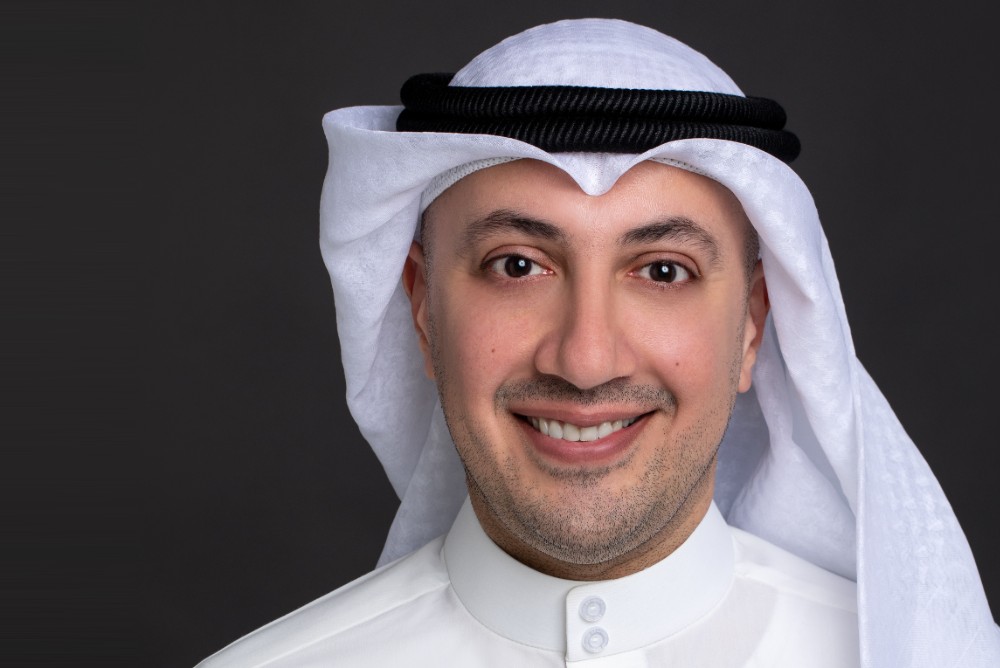
Since stepping into the chief executive role, Ali Alhendal has steered Gulf Insurance Group-Kuwait (GIG-Kuwait) through a high-stakes market evolution. Under his command, the company has transformed regulatory changes and shifting macroeconomic dynamics into clear runways for systemic progress. In this exclusive cover interview, Alhendal pulls back the curtain on how GIG-Kuwait is translating its vision—to be the most admired insurance brand in the MENA region—into measurable pillars of client experience, employee technical mastery, and deeply rooted community commitment.
For over two decades, Ali Alhendal has watched the Middle East and North Africa (MENA) insurance sector evolve from the inside out. Having joined GIG in 2005 and serving as the Deputy CEO for Operations before taking the helm, Alhendal pairs an intimate, ground-level understanding of systemic underwriting with sharp executive foresight. Today, his mandate at GIG Kuwait is distinct: anchor the broader group’s regional presence by building an unshakeable ecosystem of trust.
It is a vision being put to the test under highly specific market pressures, from absorbing massive shifts in national health portfolios to implementing sophisticated anti-fraud tech. Yet, under Alhendal’s leadership, GIG-Kuwait continues to secure top-tier performance metrics and global accolades, including being named the Best Insurance Company–Kuwait 2026. In this definitive dialogue, Alhendal details the exact corporate architecture needed to keep clients rewarded, employees fiercely loyal, shareholders exceptionally secure, and communities actively protected.
“True corporate distinction is not achieved by chasing short-term market share or engaging in low-margin price wars. It is built by relentlessly investing in technical mastery, executing zero-friction digital trust, and treating every insurance policy not as a transaction, but as an unyielding promise of resilience to our clients and our community.”— Ali Alhendal, CEO of GIG-Kuwait
Exclusive to BUSINESS LIFE: Ali Alhendal, CEO and Board Member of Gulf Insurance Group – Kuwait (GIG‑Kuwait), explores the intersection of technical expertise, digital security, and the sweeping structural transformations reshaping today’s insurance market.
BL: GIG-Kuwait’s slogan is “Invested in You.” How does this promise shape your strategy, and how do you translate it into measurable operational KPIs that improve the everyday experience of customers and employees?
Ali Alhendal: For us, ‘Invested in You’ means that every decision we make must create meaningful value for the people who place their trust in GIG—our customers, employees and shareholders.
We cannot measure that promise through one emotional indicator. We measure it through the outcomes created by our strategic pillars.
When we say Grow Strongly and Sustainably, we are not pursuing growth for its own sake. We desire profitable, disciplined growth that strengthens our ability to protect customers over the long term. Therefore, we look at the quality of our portfolio, customer retention, underwriting performance, efficiency and financial strength—not only at the increase in premiums.
Serving Customers and Empowering People is at the heart of the promise. Customers should feel the experience through simpler products, faster service, fair claims handling and easier access to us. Our employees should feel the experience through development, trust and greater authority to make decisions. We measure whether this is happening through customer satisfaction, claims and service turnaround times, complaint resolution, employee engagement, productivity and internal career development.
Our third pillar—Future Readiness by Accelerating Digital and AI Transformation—is about remaining relevant to customers whose expectations are changing quickly. Technology should not be introduced simply because it is new. It must remove unnecessary steps, improve response times, help our people work more effectively and make insurance more accessible. We therefore measure digital adoption, automation, processing time and, most importantly, whether these investments produce a visibly better customer experience.
Ultimately, ‘Invested in You’ is successful when people can feel the difference: customers receive better protection and service, employees have greater opportunities to grow, and shareholders see sustainable value. That is how we turn the slogan from a communication message into a daily management discipline.
BL: Your corporate blueprint emphasizes providing a “rewarding experience” for clients. Given how transactional the insurance industry has historically been, how is GIG-Kuwait structurally changing customer touchpoints to achieve this?
Ali Alhendal: A rewarding experience does not simply mean offering rewards or promotions. It means respecting the customer’s time, reducing uncertainty and being dependable when the customer genuinely needs us.
Historically, customers have had to adapt to how insurers operate—visit a branch, contact different departments and wait while a request moves internally. We are reversing that logic. We are redesigning the business around the customer’s journey rather than around our organizational chart.
Routine services that once required a branch visit are progressively moving to our mobile application and digital platforms. Today with GIG-Kuwait, customers can view, purchase ,renew policies and submit claims remotely. They can also initiate claims through the app, email, call centre or WhatsApp. This puts the choice in the customer’s hands, rather than forcing everyone down a single channel.
We are also changing what happens behind the customer-facing channel. Digital access has limited value if the request still passes slowly between several departments. Therefore, we are simplifying internal processes, automating repetitive work and giving clearer ownership to each customer request. Digital platforms such as GIG Bridge also enables our agents, brokers and distribution partners to issue policies more efficiently and serve customers with greater speed and consistency.
But digital transformation isn’t about removing human touch. A renewal or a simple policy change may suit self-service-but a claim or a difficult moment, calls for reassurance, clarity and personal support. Technology should handle the convenience-our people are there for the moments where empathy and judgement matter most. Ultimately, we will know that the experience is rewarding when customers no longer feel that dealing with insurance is complicated. They should be able to reach us easily, complete simple services quickly and trust us to respond when something goes wrong. That is the structural change we are making: from processing transactions to building a relationship that remains valuable throughout the customer’s journey.
BL: Empower people is one of GIG-Kuwait strategic pillars, In a competitive market where top-tier technical talent is frequently headhunted, what is your strategy for keeping teams anchored to GIG- Kuwait over the long term?
Ali Alhendal: Talented people will always receive attractive offers, and I do not believe retention can be achieved simply by trying to compete with every offer. People remain with an organization when they can see a future for themselves, when they are trusted with meaningful responsibility and when they feel the company is genuinely investing in their growth.
This is personal to me. I joined GIG-Kuwait in 2005 through the Management Development Program, and I was trained, developed and given opportunities to grow within the company. Today, I am proud to lead the same organization that invested in me. Because of that journey, developing people is not only a strategic objective for me—it is part of my DNA.
Our long-term direction is to build talent from within. We want training to be continuous and connected to real career opportunities, not treated as an occasional activity. This means developing technical insurance expertise, leadership capabilities and the digital skills our business will require in the future. It also means giving people exposure beyond their current roles, allowing them to take on greater responsibility and making the path to advancement clearer.
A good example is our Future Program, which we launched last year to develop fresh Kuwaiti graduates through structured training, practical experience, mentorship and professional insurance education. Following the successful completion of the first cohort, we have now started Cohort 2. This reflects our commitment to building a sustainable pipeline of qualified insurance professionals who can grow with GIG-Kuwait and become its future specialists and leaders.
Of course, training alone is not enough. People must also feel trusted, recognized and heard. We want our employees to contribute ideas, challenge existing ways of working and see that strong performance creates genuine opportunities.
My ambition is for talented people to look at GIG-Kuwait and say: this is where I can learn, grow and build a career I am proud of. When employees can see that future inside the company, retention becomes the result of belonging and opportunity—not simply a response to the market.
BL: Speaking of specialized capabilities, how are you building “excellence and expertise” to protect your portfolio against increasingly modern regional risks—like complex cyber threats and localized supply-chain business interruptions?
Ali Alhendal: Modern risks cannot be managed with traditional underwriting alone. Cyber threats evolve constantly, and supply-chain interruptions can affect a business even when its own premises remain operational. Protecting our portfolio therefore begins with understanding how the nature and concentration of risk are changing.
For us, excellence and expertise mean improving the quality of our decisions before we write the risk. We are strengthening our technical teams, investing in specialized training and using better data to assess exposures, dependencies and possible loss scenarios. We want our underwriters to look beyond the individual policy and understand how risks may be connected across industries, suppliers and geographic locations.
We are also realistic: no insurer can build every specialized capability internally. That is why we work closely with reinsurers, brokers, risk engineers and international specialists who bring global experience in areas such as cyber, energy and complex business interruption. Our role is to bring that expertise into the local market and combine it with our own understanding of Kuwait and the region.
This also changes our relationship with customers. We should not only provide compensation after a loss; we should help clients identify weaknesses before an incident occurs. That includes encouraging stronger cyber controls, better business-continuity planning and a clearer understanding of critical suppliers and operational dependencies.
Finally, we protect the portfolio through discipline. We regularly review policy wording, limits, pricing, risk accumulation and reinsurance protection as exposures develop. Growth remains important, but we will not pursue it at the expense of technical quality.
The real measure of expertise is not how confidently we discuss emerging risks—it is whether we select them carefully, price them responsibly and help our customers become more resilient. That is how we protect both the customer and the long-term strength of GIG- Kuwait.
BL: Let’s address a major structural event. The market recently had to absorb the sudden discontinuation of the massive Afya medical insurance scheme for retirees. How has GIG-Kuwait demonstrated resilience through this portfolio adjustment while maintaining exceptional value for shareholders?
Ali Alhendal: From the beginning, and well before Afya was discontinued, we were clear that GIG- Kuwait should not depend on one contract for its profitability, regardless of its size. Afya was an important part of our portfolio, but it was never our entire strategy.
We worked deliberately to balance the business by building profitable portfolios across all lines—including retail, motor, life, medical and commercial insurance. We strengthened our distribution, maintained underwriting discipline and continued investing in our broader customer base. This diversification was a strategic choice, and it became one of our greatest strengths when Afya ended.
The discontinuation was undoubtedly a major structural event for the health-insurance market. However, the fact that GIG- Kuwait remained profitable, financially solid and operationally stable demonstrates the underlying strength of the company. We were able to absorb the loss of a significant portfolio because the rest of the business had been developed on strong and sustainable foundations.
Our immediate priority was to manage the transition responsibly. We continued addressing our obligations carefully and worked constructively with the relevant stakeholders, healthcare providers and reinsurance partners. At the same time, we maintained close control over liquidity, costs and capital to protect the wider organization.
We also resisted the temptation to replace Afya’s volume quickly by accepting business at any price. That might have restored premium volume, but it could also have created new concentration and profitability risks. Instead, we remained selective and focused on quality growth across retail and commercial segments, supported by stronger distribution and digital platforms such as GIG Bridge.
For shareholders, value should not be measured only by the size of premium income in a particular year. It should be measured by the quality and sustainability of earnings, financial strength and the company’s ability to perform through different market cycles.
Afya was an important chapter in our history, and we are proud of the role we played in serving Kuwait’s retirees. Its discontinuation tested the market, but it also demonstrated the resilience of GIG- Kuwait. We remained profitable and solid because we had prepared the business in advance—not because we reacted only after the event.
BL: The regulatory landscape is modernizing quickly, with new tools like standard policy formats and digital QR authenticity verification coming into play. How is GIG-Kuwait executing these digital tools to protect both consumer confidence and profit margins?
Ali Alhendal: We view regulatory modernization as a positive development for Kuwait’s insurance sector. The Insurance Regulatory Unit and other government bodies are creating a more transparent, consistent and digitally enabled market, and this ultimately benefits customers as well as responsible insurers.
Tools such as standardized policy formats make coverage easier to understand and reduce uncertainty about terms and conditions. Digital verification through QR codes gives customers and relevant authorities a simple way to confirm that a policy is genuine. Together, these measures strengthen confidence in the insurance system and help protect the market against fraud and unauthorized practices.
At GIG- Kuwait, our approach is to integrate these requirements into our core processes rather than treat them as separate compliance tasks. This means adapting our systems, training our employees and distribution partners, testing the customer journey and ensuring that information is accurate and protected from the moment a policy is issued.
There is also a clear efficiency benefit. Standardization and digital verification reduce manual work, repeated checks, documentation errors and the cost associated with fraudulent policies. They can accelerate policy issuance and make servicing easier. These improvements help protect margins, but they should never come at the expense of customer protection or data security.
We also believe that effective modernization requires cooperation. Insurers, regulators and other public authorities need to exchange practical feedback and work together as new tools are introduced. GIG- Kuwait is committed to supporting the Insurance Regulatory Unit and contributing its technical and operational experience to that process.
Ultimately, good regulation and strong commercial performance are not opposing objectives. A market that is transparent, trusted and efficient creates healthier competition, protects consumers and supports sustainable profitability. That is the direction we welcome and will continue to support.
BL: GIG-Kuwait places massive corporate emphasis on being a “responsible, committed citizen”. How do you ensure your community initiatives create authentic socio-economic impact rather than turning into passive public relations?
Ali Alhendal: Being a responsible citizen means responding to genuine community needs, not selecting initiatives for publicity. We focus on areas where our contribution can create measurable and lasting value, and we assess success through the people reached and the outcomes achieved.
Our contribution to the Kuwait Emergency Response Fund is a clear example. At a time of national need, we supported a coordinated national effort because we believe GIG- Kuwait has a responsibility to stand with the country and its people.
Beyond moments of national need, this also shows up in smaller, recurring ways-distributing meals to the less fortunate during the Holy Month of Ramadan or bringing toys to children in the ICU. These aren’t campaigns, they are long-term commitments to Kuwait and an important part of who we are as an organization.
BL: Finally, with the backing of major international frameworks like Fairfax Financial, what are the core strategic milestones you are targeting next to solidify GIG-Kuwait’s position as the benchmark of regional admiration?
Ali Alhendal: Fairfax brings significant value to GIG-Kuwait through its global insurance experience, financial strength and extensive international network. Being part of this wider organization gives us access to knowledge, technical expertise and proven practices across underwriting, risk management, reinsurance, investment and emerging areas such as digital transformation and cyber risk.
What I particularly value is Fairfax’s decentralized operating approach. It recognizes that insurance is fundamentally a local business and that each market has its own customers, regulations and competitive environment. GIG-Kuwait therefore benefits from the strength and experience of an international group while retaining the local autonomy to make timely decisions.
This model gives us agility. We can respond quickly to opportunities and changing customer needs without unnecessary complexity, while remaining accountable for our performance. It also allows us to adopt global expertise selectively and apply it in a way that is relevant to Kuwait.
The combination is powerful: international capabilities, local knowledge and empowered management. We see Fairfax not only as a shareholder, but as a long-term strategic partner that can help us strengthen our technical capabilities, develop our people and pursue sustainable growth while preserving the entrepreneurial culture that has made GIG- Kuwait successful.
BL: Let’s talk about GIG- Kuwait’s financial performance. Despite significant changes in the local insurance market, the company has maintained solid profitability and a strong competitive position. What were the main
operational and strategic factors behind this performance, and how is GIG-Kuwait strengthening its market leadership while protecting the quality and sustainability of its earnings?
Ali Alhendal: Our profitability is the result of several deliberate decisions, but the foundation is disciplined underwriting. We have remained focused on selecting the right risks, applying adequate pricing and maintaining appropriate terms and conditions. We are not pursuing market share simply for the sake of volume; we want growth that produces sustainable technical profit.
The second major factor is the proper management of claims. This does not mean delaying or restricting valid claims. On the contrary, our responsibility is to settle genuine claims fairly and efficiently. At the same time, we closely manage claims leakage, fraud, provider costs and recovery opportunities. Better data, stronger controls and closer coordination between underwriting and claims teams have helped us improve the overall quality of the portfolio.
Alongside this, we reworked how we manage expenses across the company. We reviewed our operating model, organizational structure and major cost areas to ensure that resources are directed toward activities that create real value. We simplified processes, reduced unnecessary costs and began automating repetitive work. The objective was not cost reduction alone but building a more efficient and scalable company.
Portfolio diversification has also been important. Even before the discontinuation of Afya, we were building profitable portfolios across retail, motor, life, medical and commercial lines. This reduced our dependence on any single contract and gave the company greater resilience when the market changed.
Finally, we strengthened our distribution capabilities and digital channels, including GIG Bridge, while maintaining close relationships with brokers, agents and corporate clients. This supported growth and allowed us to reach customers more efficiently.
Closing Note
True leadership is not demonstrated when market conditions are flawless, but when the structural foundations of an industry are actively shifting. Ali Alhendal’s stewardship of GIG- Kuwait provides a masterclass in how to orchestrate precision, culture, and discipline during transformative eras. By transforming regulatory updates into strategic safeguards and parlaying operational refinement into an 89.2% surge in net profitability, Alhendal has proven that a company’s financial strength is the natural byproduct of its ethical clarity.
As GIG-Kuwait continues to export its localized underwriting excellence and advanced digital infrastructure across 12 nations, it stands as a powerful reminder to the MENA corporate ecosystem: the path to becoming a regional benchmark is built by honoring promises to clients, investing deeply in human intellect, and remaining unyieldingly committed to the community. GIG-Kuwait has moved past the era of simply defending market share—under Alhendal, it is actively defining the future of regional insurance.